
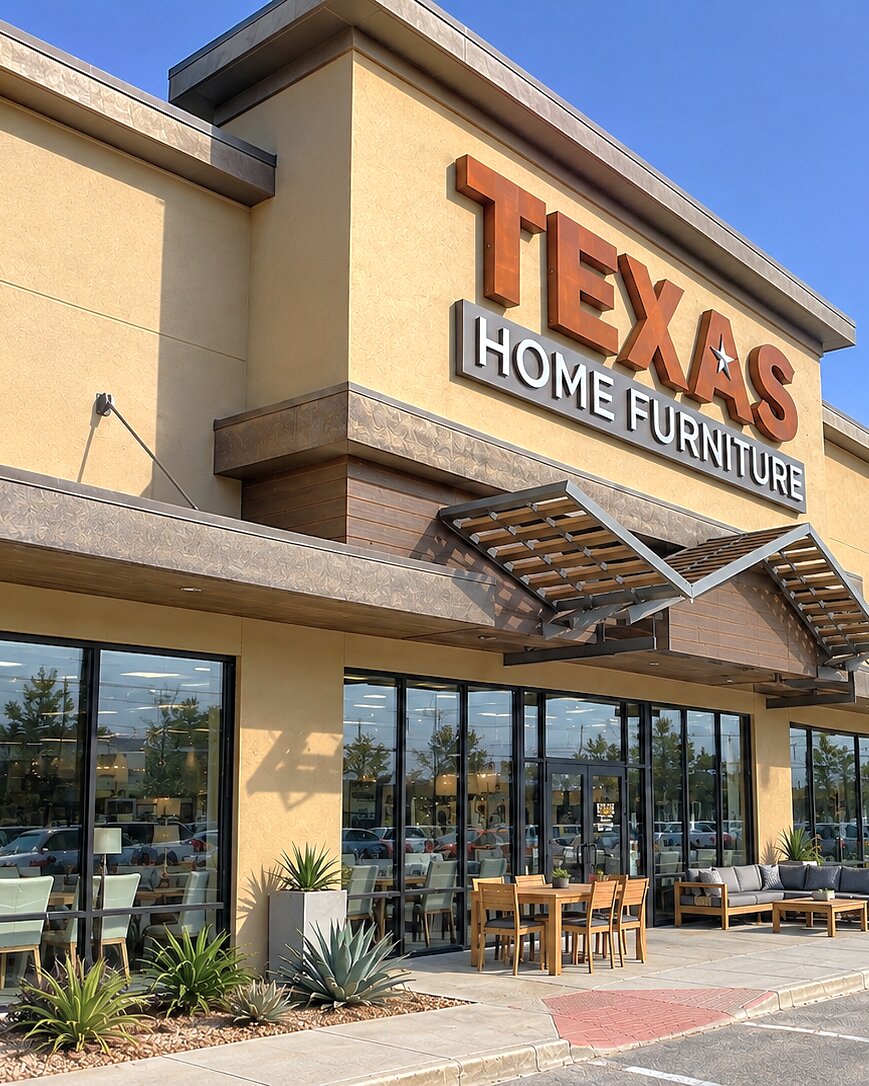

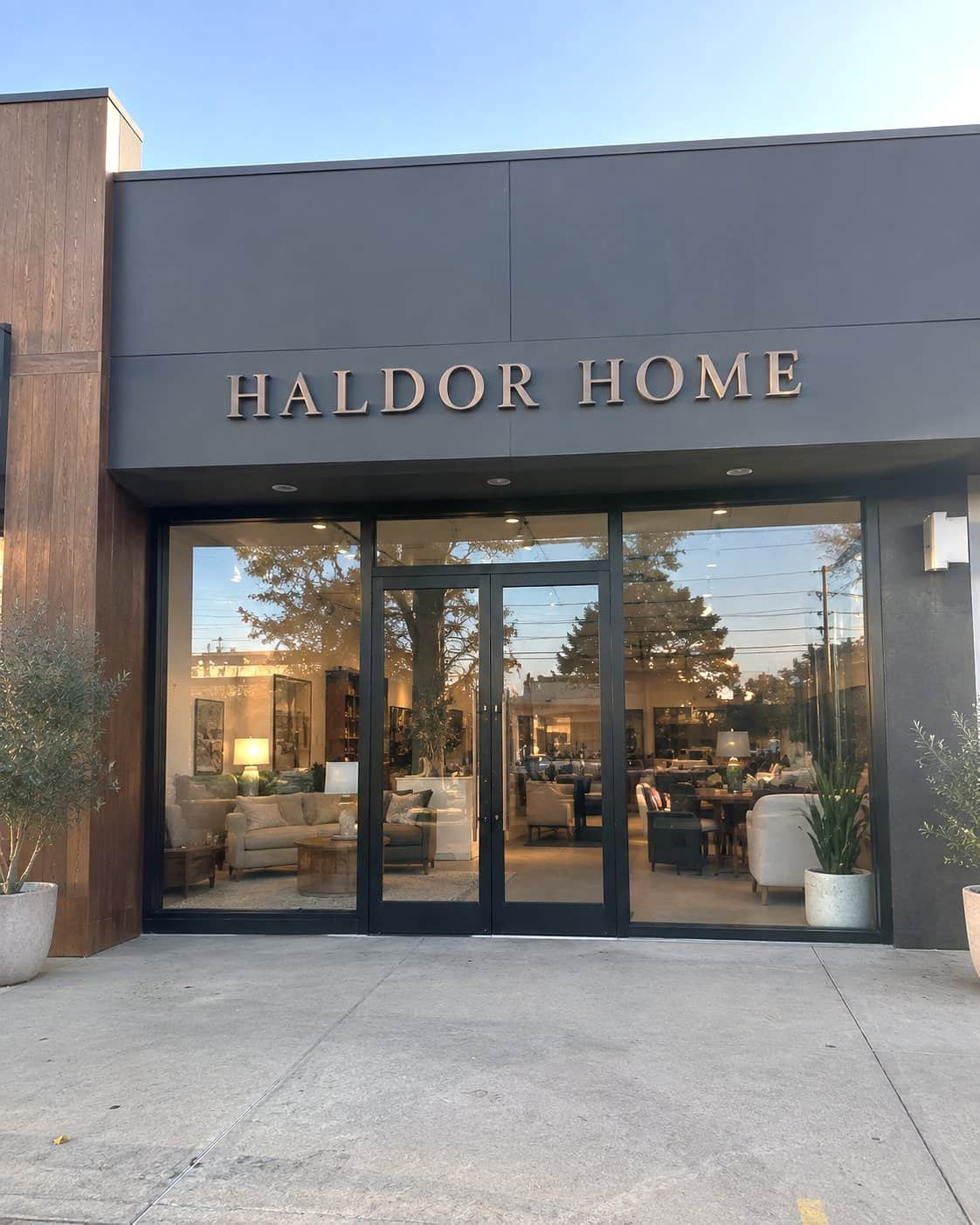
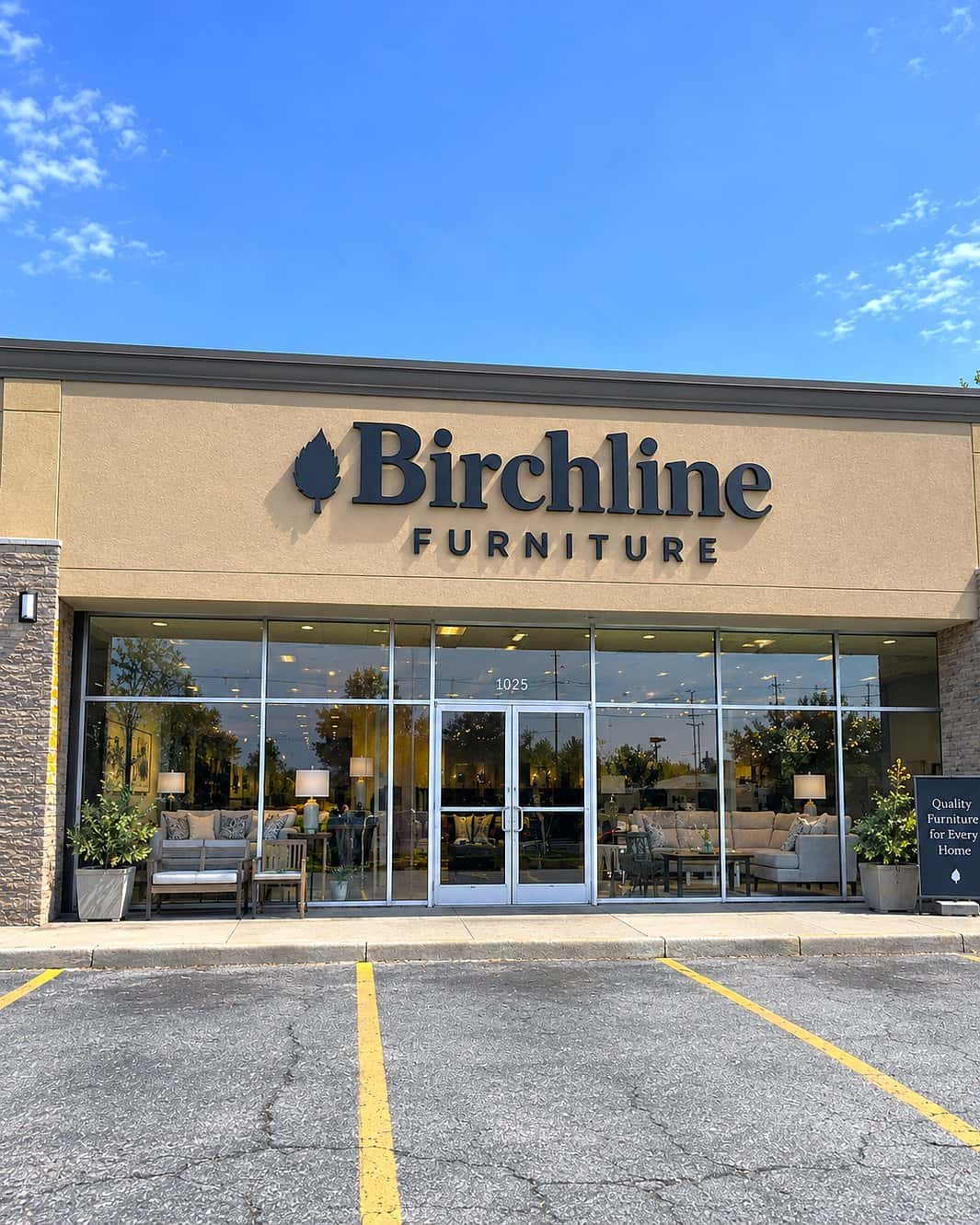
Birchline Furniture
“They really cared about what happened after the lead came in, not just how many leads they generated.”
Brandon KellerShowroom Owner

A closer look at the strategy, creative, and hands-on work that helps furniture brands grow.
Featured Work
Every project below replaces a mockup with a real screenshot and a real number in the finished build.
“They really cared about what happened after the lead came in, not just how many leads they generated.”
Brandon KellerShowroom Owner
“Enccii put better systems around the business so growth didn’t just mean more work for me.”
Brian HatcherFurniture Business Owner

“We finally stopped guessing where our marketing money was going.”
Matt WhitakerFurniture Retailer

“Enccii talks about the actual business. Are people coming in? Are they buying?”
Travis ColemanFurniture Retailer

“They understand that a furniture sale doesn’t happen with one click.”
Shane McCallFurniture Business Owner
“Marketplace was messy. Enccii tightened our listings, and now we get better inquiries and waste less time.”
Derek LawsonFurniture Store Owner
We help furniture businesses make more money, keep more of it, and build a business that gets easier to run as it grows.
That can mean bringing in more customers, improving advertising, fixing sales and follow-up, increasing Marketplace sales, building better systems, reducing operating costs, or automating work that shouldn't need to be done manually.
We start with what's holding the business back and work from there.
Furniture is where we've built our experience, and it's where we're focused. That's 4+ years, 7+ businesses and $8M+ in marketing dollars, all in the furniture industry.
We've spent years working through the realities of selling furniture: showroom traffic, inventory, financing, Marketplace, advertising, sales teams, customer follow-up, delivery, margins and the systems behind the business.
That experience changes how we approach the work.
That's more common than you might think.
If something is working, there's no reason to throw it away. We'll look at what's already in place, where it's performing, and where the business is still losing money or opportunities.
Sometimes the missing piece is marketing. Sometimes it's what happens after the lead comes in. Sometimes it's the systems behind everything.
No. Advertising is one part of the picture.
We can work across Meta, Google, Marketplace, creative, offers, sales, CRM, follow-up, ecommerce, customer support, automation and operations.
The starting point is always the business problem, not a particular platform.
Yes.
Marketplace can be a significant sales channel for furniture businesses when the listings, inventory, pricing, creative, response and follow-up are handled properly.
We can help build the system around Marketplace instead of treating it as a place to simply post more products.
We look for the biggest constraint on the business.
If you need more demand, we work there. If you're already getting plenty of leads but aren't converting enough of them, that's where we focus. If revenue is growing but costs and owner workload are growing with it, we look at the systems behind the business.
Fix the biggest problem first. Then move to the next one.
Yes. This is one of the areas where the impact can be significant. Across the businesses we've worked with, we've seen average operational cost reductions of more than 50%.
We look at where money and time are being consumed, then improve the underlying process through better systems, automation, AI and distributed teams where appropriate.
The aim isn't to make the business smaller. It's to make it more efficient so it can handle more without the same increase in cost and workload.
We use AI where it makes the business faster, more responsive and more efficient: customer support, reporting, analysis, creative, content, CRM, workflow automation and other repetitive work. The point isn't to use it because it's new. It's to use it where it gives the business an advantage.
AI works best when it takes repetitive work off people's plates rather than simply replacing people. There are plenty of tasks that don't need a person spending hours on them every day. Those are the areas where automation can make a real difference.
Your people can then spend more time on customers, sales, decisions and work that actually needs them.
It depends on what we're working on and how quickly the business can implement changes.
For businesses that are ready to make improvements and can move quickly, it's common to start seeing meaningful changes within the first 30 days, sometimes sooner.
Larger businesses with multiple locations, complex processes, larger teams or longer decision chains can take closer to 90 days to see the full effect of bigger changes.
We don't put an arbitrary revenue number on a business before we've seen how it operates.
What we do commit to is clarity: what we're responsible for, how it will be measured, and looking for improvement from the start, then building on it.
Bigger changes, like rebuilding systems or improving several departments at once, take longer to show their full impact, and we'll tell you that up front.
Every business needs something different, so we don't force everything into the same package.
We'll first understand what you're trying to accomplish, what's holding you back and what needs to be done. From there, we'll scope the work around the business.
You pay for the work that actually needs to happen, not a list of services you don't need.
Most meaningful growth work needs enough time to understand the business, implement changes and see what those changes produce.
For many engagements, that means working together for around three months or longer. Some work can show an impact much sooner, while larger systems naturally take more time to build.
We'll tell you what the work requires before we start.
Yes, both. We've worked with businesses at different stages, from smaller owner-operated stores to multi-location businesses with much larger revenue.
For smaller businesses, the important question isn't how big you are. It's whether there's a real opportunity to improve and an owner who is ready to act on it.
As you grow from one location to several, the problems change. Marketing has to become more consistent, sales need better visibility, and teams need clearer processes. What worked at one location doesn't always work at five. That's where systems become increasingly important.
We talk about the business: where you're at, what's working, what's not, what you're trying to achieve and what you think is getting in the way.
Then we look at the situation together and figure out where the biggest opportunity is. If there's something worth fixing, we'll tell you where we'd start.
Bring us the business as it actually is. We'll take it from there.
